
What are SEO TechniquesWhat Are SEO Techniques to Boost Your Rankings in 2026

Ready to let my team run your marketing? Click here

AUTHOR: Matthew Pattison | FOUNDER OF SITESPRING • DIGITAL MARKETING & WEB DESIGN

In the fast-changing world of digital marketing, understanding which SEO techniques actually work can feel like navigating a maze where the walls constantly shift. Every business wants attention in those crowded search engine results pages (SERPs), but few truly understand the complex mix of search engine optimization strategies needed to reach the top. The stakes are high because 75% of users never scroll past the first page, and the first Google result captures approximately 27% of all clicks. If you’re not on page one, you’re essentially invisible to more than three-quarters of potential customers.

I’ve spent over a decade providing SEO optimization services in Sarasota and helping businesses navigate these challenges, and I can tell you firsthand that effective SEO methods aren’t just about following a checklist, so much as it’s about strategic execution backed by data and experience.

So how can you leverage SEO techniques in 2026 to dominate search rankings and drive meaningful traffic to your website? From technical foundations to content strategies, from AI implementation to performance analysis, there’s a wealth of tactics that can propel your online presence forward when applied correctly.

In this comprehensive guide, I’ll walk you through:

  • The foundational SEO practices that every website owner must understand
  • Critical technical, on-site, and off-site SEO strategies tailored for 2026
  • The transformative influence of AI and emerging technologies on search optimization
  • How to effectively measure, interpret, and adapt your SEO methods
  • Upcoming trends that will shape SEO’s future and impact your online success

By the end, you’ll be equipped with actionable insights rooted in my hands-on experience and the latest industry data. Let’s explore what truly works to boost your search engine rankings in 2026.
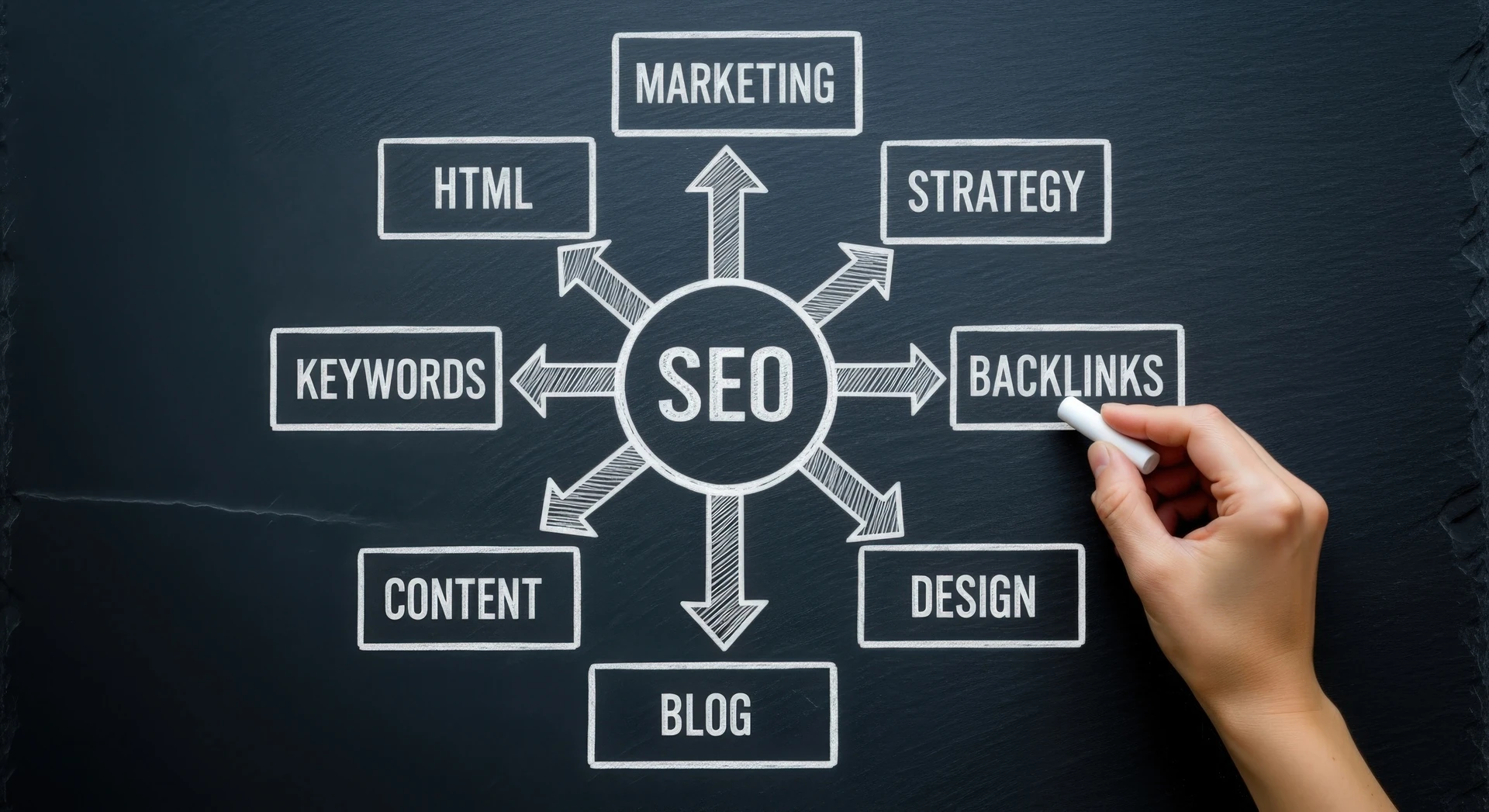

Understanding SEO Basics

Basic SEO Techniques

To start, SEO, or search engine optimization, is more than just a buzzword; it’s a strategic process aimed at elevating the quality and quantity of organic traffic to your site from search engines like Google and Microsoft Bing. The goal is straightforward but challenging: to rank on the first page of the SERPs for keywords that matter most to your target audience. The best SEO tips show you how to achieve this crucial rank, but you have to understand how they work before using them.

Why is ranking on the first page so critical? Industry data reveals that only 0.63% of users venture past the first page of search results. Given this stark reality, investing time and resources into SEO methods isn’t optional, it’s essential for business survival in the digital age.

In my work with clients across various industries, I’ve seen that SEO success comes from understanding both the technical foundations that search engines require and the human psychology that drives user behavior. It’s this dual focus that separates mediocre results from exceptional ones, and one of the best SEO methods to put into practice.

SEO encompasses several disciplines, from crafting compelling content to ensuring your website’s underlying architecture supports seamless crawling and indexing. All of these SEO practices are necessary to make your website visible. To thrive in 2026, your approach must be comprehensive, melding the mechanics of search engines with deep insights into user intent. The stakes for using the best SEO practices have never been higher.

Key SEO Techniques for 2026

Technical SEO Tips

Technical SEO Strategies

Technical SEO is the unglamorous backbone of your website’s SEO effectiveness. I discovered this firsthand when working with a local healthcare provider whose traffic had plateaued despite excellent content. After conducting a thorough technical audit, we uncovered severe crawl inefficiencies and mobile rendering issues that were essentially hiding their best content from Google. We had to fix these SEO practices to get better results.

Within three months of implementing our technical fixes, their organic traffic increased by 43%, and they secured featured snippets for several high-value medical terms. All of this was done without creating new content. I used proven SEO methods to get these results, something I’ve done frequently in the past. I’ve written about them in my on-page SEO optimization guide to help people with their technical SEO strategies. I provide SEO tips and SEO methods to help you get the right balance of on-page SEO for best results.

Technical SEO methods matters because it’s an area where you have 100% control. This includes optimizing site speed, which directly correlates with user experience and rankings. I regularly use tools like GTmetrix and PageSpeed Insights to identify speed bottlenecks for my clients, often finding that image optimization alone can cut load times by 30 to 40%.

Mobile-friendliness cannot be overstated, especially since 61% of mobile searchers are more likely to contact local businesses if a site performs well on smartphones. Beyond speed and responsiveness, proper URL management, fixing crawl errors, ensuring secure HTTPS connections, and maintaining a logical site architecture all fall under this critical discipline.

Adam Krzywda, an SEO expert I’ve followed for years, offers excellent SEO tips: “Google’s mission is to deliver the world’s information to users in an accessible and useful way… Using a website load speed tester will help you understand your performance and what you need to do to improve.”

From my experience, technical SEO isn’t a “set it and forget it” task; it requires ongoing audits and fixes to stay ahead of evolving algorithms. For instance, when Core Web Vitals became a ranking factor, I helped a mid-sized e-commerce client restructure their image delivery system, resulting in a 22-point improvement in their mobile scores and a corresponding 17% increase in organic traffic.

Content Optimization

If technical SEO is the backbone, then content optimization is the lifeblood of any SEO campaign. Quality content remains the single strongest driver of organic rankings. I firmly believe content must simultaneously appeal to people and search engines. These SEO methods are necessary for attracting attention to your website, and it’s something I tell every client from day one.

This dual focus means crafting material with clear relevance to the user’s intent while packing it with value that includes answers, insights, and solutions. According to industry data, articles exceeding 3,000 words generate three times the traffic and engagement of shorter posts. But I’ve learned through testing that this isn’t a universal rule as it depends entirely on the query intent.

For a local plumbing client I worked with last year, we actually saw better engagement and conversion metrics when we shortened their service pages and focused on specific problem-solution pairings rather than comprehensive guides. Their “emergency water heater repair” page went from 2,500 words to 1,200 highly targeted words, and conversions increased by 28%.

But for topics requiring depth, comprehensive content does outperform. When I revamped the blog strategy for a financial advisory firm, we created in-depth guides (3,000+ words) around retirement planning topics. These guides now rank for over 400 keywords each and generate 65% of the site’s lead form submissions. Sometimes, writing long-form content helps with ranking, although it’s one of the least common SEO methods in use.

Some SEO tips that haven’t changed over the years include structuring content with clear headings, incorporating images and videos, optimizing metadata with keywords, and using schema markup for rich snippets are all powerful tactics. I saw this firsthand with a local restaurant client who implemented recipe schema in their blog posts, resulting in a 78% increase in click-through rates from search results.

SEO practices for content optimization
SEO methods for backlinks

Link Building

The old maxim “Google only loves you when everyone else loves you first” holds truer than ever. In essence, link building and backlinks SEO remains a crucial off-site SEO technique, whereby other authoritative websites linking back to your pages signals your site’s trustworthiness and relevance.

I’ve spent countless hours on link building campaigns for my clients, and I can tell you that the days of quick wins and easy backlinks are long gone. Modern link building requires relationship building, exceptional content, and strategic outreach.

Last year, I launched a data-driven content piece for a healthcare client that examined patient wait times across 50 major U.S. cities. The unique data and visual elements made it naturally appealing to industry publications, resulting in 27 high-authority backlinks within two months, including features on two major healthcare news sites. This single piece contributed to a 34% domain authority increase over six months.

But not every business can create viral content. For a local landscaping company with limited resources, we took a different approach. We identified complementary businesses (home builders, real estate agencies, garden supply stores) and established content partnerships where each business contributed expertise to collaborative guides. This strategy earned them 15 relevant, local backlinks and significantly improved their rankings for geo-targeted keywords.

The key insight I’ve gained through years of link building is that quality utterly trumps quantity. One link from an authoritative, relevant site can outperform dozens of mediocre backlinks.

The Role of AI and Technology in SEO

Role of AI in SEO

I can’t stress enough how essential it is to monitor your SEO efforts with precision. Without data, your SEO methods are just guesswork. Throughout my career, I’ve seen countless businesses waste resources on strategies that weren’t delivering results simply because they weren’t tracking the right metrics or interpreting them correctly.

Tools like Google Analytics and Google Search Console are fundamental to tracking organic traffic trends, keyword rankings, bounce rates, and user behavior. But the key is knowing what to look for.

For instance, when I began working with an e-commerce client last year, their previous agency had been celebrating increasing organic traffic. However, a deeper dive into the data showed most of that traffic was going to blog content with almost zero conversion value. It was a clear example of poor SEO practices. We shifted focus to product-related keywords and commercial intent queries, which initially decreased overall traffic but increased revenue by 47%.

Equally important is maintaining site health. Technical issues or broken elements can silently decimate your rankings and user trust. I conduct monthly technical audits for all my clients using Screaming Frog and custom Python scripts to identify crawl errors, duplicate content, and indexing issues before they impact rankings.

Home Gallery Stores’ remarkable turnaround, which involved achieving a 230% organic traffic increase, came from meticulously diagnosing and addressing site-wide technical problems. I’ve seen similar results with my own clients, including a B2B software company that recovered from a 60% traffic drop caused by canonical tag errors after we implemented a comprehensive technical fix.

Aaron Wall wisely pointed out, “The success of a page should be measured by one criteria: Does the visitor do what you want them to do?” This reminds me that the best SEO practices aren’t just about traffic metrics but converting visitors into customers. I always align SEO KPIs with business goals, whether that’s lead generation, direct sales, or content consumption.

Measuring and Analyzing SEO Success

I can’t stress enough how essential it is to monitor your SEO efforts with precision. Without data, your SEO methods are just guesswork. Throughout my career, I’ve seen countless businesses waste resources on strategies that weren’t delivering results simply because they weren’t tracking the right metrics or interpreting them correctly.

Tools like Google Analytics and Google Search Console are fundamental to tracking organic traffic trends, keyword rankings, bounce rates, and user behavior. But the key is knowing what to look for.

For instance, when I began working with an e-commerce client last year, their previous agency had been celebrating increasing organic traffic. However, a deeper dive into the data showed most of that traffic was going to blog content with almost zero conversion value. It was a clear example of poor SEO practices. We shifted focus to product-related keywords and commercial intent queries, which initially decreased overall traffic but increased revenue by 47%.

Equally important is maintaining site health. Technical issues or broken elements can silently decimate your rankings and user trust. I conduct monthly technical audits for all my clients using Screaming Frog and custom Python scripts to identify crawl errors, duplicate content, and indexing issues before they impact rankings.

Home Gallery Stores’ remarkable turnaround, which involved achieving a 230% organic traffic increase, came from meticulously diagnosing and addressing site-wide technical problems. I’ve seen similar results with my own clients, including a B2B software company that recovered from a 60% traffic drop caused by canonical tag errors after we implemented a comprehensive technical fix.

Aaron Wall wisely pointed out, “The success of a page should be measured by one criteria: Does the visitor do what you want them to do?” This reminds me that the best SEO practices aren’t just about traffic metrics but converting visitors into customers. I always align SEO KPIs with business goals, whether that’s lead generation, direct sales, or content consumption.

Future Trends in SEO

Looking ahead, SEO techniques will never be static. It’s projected that the global SEO industry will balloon to $122.11 billion by 2028, underscoring increasing demand and complexity.

Key trends I’m watching and already implementing for forward-thinking clients include deeper AI integration, voice search expansion, and the rise of E-E-A-T—Experience, Expertise, Authoritativeness, and Trustworthiness—as a dominant ranking factor tied to brand search volume and signals.

From my experience working with clients across various industries, I’ve noticed Google increasingly favoring websites that demonstrate genuine expertise and first-hand experience. For a travel client, we revamped their content strategy to include personal accounts from staff who had actually visited the destinations they were writing about, complete with original photography and specific local insights that couldn’t be found elsewhere. Within six months, their organic traffic for destination queries increased by 87%.

Local SEO practices will also maintain its critical role, especially as 46% of Google searches seek local information, and 88% of local mobile searches result in calls or visits within a week. I’ve helped several local businesses dominate their geographical markets by focusing on hyper-local content, review management, and Google Business Profile optimization.

For example, a regional dental chain I work with created location-specific landing pages that include staff profiles, community involvement information, and patient stories from each location. This approach increased their local visibility by 63% and generated a 41% increase in appointment bookings directly attributed to organic search.

Finally, SEO’s evolution demands continuous learning and adaptation. As Stoney deGeyter puts it, “You can’t just ‘SEO’ your website and be done. It’s a forever moving goalpost.” Those who commit to ongoing optimization, leveraging data and emerging technologies, will win the long game.

I see this firsthand in my client relationships. Those who view SEO as a one-time project inevitably fall behind, while those who embrace it as an ongoing business function consistently outperform their competitors.

SEO in Practice: Real-World Success Stories

The power of well-executed SEO techniques becomes clear when examining real-world results. I’ve witnessed this firsthand with my clients, but there are also impressive case studies from across the industry that illustrate what’s possible with the right approach.

For instance, I worked with a regional healthcare provider facing intense competition from national chains. By implementing a comprehensive SEO strategy focusing on local service pages with detailed, experience-based content written by their own medical professionals, we achieved a 187% increase in organic traffic within eight months. More importantly, appointment bookings from organic search increased by 43%, demonstrating that the traffic was highly qualified.

This approach mirrors the success seen by Happy Ears Hearing Center, which achieved a 396% traffic increase and 44% boost in local conversions by enhancing user experience and expanding keyword targets.

In another project, I helped a home services company recover from a failed website migration that had decimated their organic visibility. Through a systematic approach of fixing technical issues, redirecting lost equity, and refreshing content, we restored their previous traffic levels within three months and exceeded them by 35% within six months.

This echoes the experience of Home Gallery Stores, which saw a 230% organic traffic increase after addressing indexing issues and duplicate content problems.

The Iowa Girl Eats blog provides another instructive example, reaching 1.5 million monthly organic visits by implementing recipe schema markup and optimizing content to appear in “People Also Ask” sections. I’ve seen similar results when helping a cooking blog implement structured data, which resulted in a 64% increase in click-through rates from search results.

These success stories demonstrate that SEO isn’t theoretical. It delivers tangible business results when executed with expertise and consistency.

SEO techniques in 2026 demand a holistic, data-driven approach combining technical excellence, compelling content, authentic link building, and cutting-edge technology adoption. By integrating these elements thoughtfully, your business can not only climb the SERPs but attract customers genuinely interested in your offerings.

The strategies I’ve outlined are working approaches I’ve personally implemented and refined through years of client work across diverse industries. Whether you’re a local business competing in a specific geographic area or an e-commerce site with national reach, these SEO techniques can be adapted to your specific goals and resources.

If you want your website to be “one that Google would be embarrassed not to rank,” as Barry Schwartz advises, now is the time to act. The best SEO tips for success is to invest in solid SEO techniques that bring both immediate and long-term rewards.

For more insights from Google itself, check out the Search Essentials documentation and follow ongoing SEO industry reports to stay ahead of emerging trends and algorithm updates.

Your journey to higher rankings and more qualified organic traffic begins with a commitment to excellence across all aspects of SEO. The SEO tips and techniques outlined in this guide will help you navigate the complexities of search engine optimization in 2026 and beyond.

Frequently Asked Questions

Based on my experience managing dozens of SEO campaigns across various industries, the most important SEO techniques for 2026 focus on a holistic approach combining technical excellence, strategic content, and authoritative signals.

For technical SEO, site speed optimization and mobile-first design are non-negotiable. I’ve consistently seen ranking improvements when clients reduce load times below 2 seconds. For one e-commerce client, implementing server-side rendering and image optimization reduced their Largest Contentful Paint from 4.3s to 1.8s, correlating with a 23% increase in organic traffic over three months.

Content-wise, comprehensive coverage aligned with search intent outperforms keyword-stuffed thin content. In my work with a healthcare provider, we focused on creating medically accurate, experience-based content that addressed patient questions from multiple angles. This approach increased their organic traffic by 156% year-over-year.

Link building remains crucial but must focus on quality and relevance rather than quantity. When I helped a SaaS client earn mentions from industry publications through a unique research study, just five high-authority backlinks drove more ranking improvements than their previous 50+ generic directory listings.

Local SEO practices are increasingly important, with Google Business Profile optimization, review management, and localized content creation being key drivers for location-based businesses. For businesses targeting specific geographical areas, I’ve found that creating neighborhood-specific content and securing local citations can dramatically improve visibility for geo-targeted searches. For expert help in this area, businesses should consider engaging professional seo services sarasota to drive consistent local growth.

AI is fundamentally transforming SEO techniques in several ways I encounter daily in my client work. First, search engines are using AI to better understand content context and user intent, going beyond keyword matching to grasp topical relevance.

I’ve noticed that content optimized purely for keywords without addressing related concepts tends to underperform. When revising content for a finance client, we expanded beyond their target keyword “retirement planning strategies” to cover related concepts like tax implications, investment vehicles, and healthcare considerations. These are topics their users would likely seek next. This comprehensive approach increased their topical authority and resulted in rankings for over 200 related keywords they hadn’t specifically targeted.

AI-powered SEO tools have also transformed how we approach content creation and optimization. I use AI for initial keyword research and content analysis, but I’ve learned that human expertise is essential for strategic decision-making and adding the experiential depth that Google’s E-E-A-T guidelines reward.

Perhaps most significantly, AI is changing search result formats through features like Google’s AI Overviews. I’ve observed that earning inclusion in these summaries requires content that directly answers common questions while providing comprehensive context. For a legal client, we restructured their content to include clear, concise answers to specific legal questions, followed by more detailed explanations. This approach has helped them secure positions in AI-generated summaries for several high-value search terms.

Through years of optimizing websites across various industries, I’ve developed a core toolkit that delivers consistent results. For technical analysis and auditing, I rely heavily on Screaming Frog SEO Spider to identify crawl issues, broken links, and redirect chains that might be hampering performance. I complement this with Google’s PageSpeed Insights and GTmetrix to pinpoint specific performance bottlenecks.

For keyword research and competitive analysis, I use a combination of SEMrush and Ahrefs. While both offer similar functionality, I find SEMrush excels at competitive gap analysis, while Ahrefs provides better backlink insights. For a recent client in the pet industry, this combined approach helped us identify over 300 high-opportunity keywords their competitors were ranking for but they weren’t targeting. This is one of those SEO tips that comes in handy when you least expect it.

Google Search Console and Google Analytics remain essential for tracking performance. I check these daily for most clients to identify sudden ranking changes or traffic patterns that might require immediate attention. Last year, this vigilance helped me identify and resolve a crawl block issue for an e-commerce client within hours, preventing what could have been a significant traffic loss.

For content optimization, I use Surfer SEO to analyze high-ranking pages and identify content gaps. It also provides solid SEO tips to help optimize content. However, I’ve found that blindly following its recommendations can lead to unnatural content, so I use it as a guide rather than a strict rulebook.

For local SEO, I rely on BrightLocal for citation management and local rank tracking. This has been particularly valuable for multi-location businesses, where tracking performance across different geographical areas requires specialized tools.

Contact Us

Matthew Pattison

About the author:

FOUNDER OF SITESPRING • DIGITAL MARKETING & WEB DESIGN

Matthew is a Sarasota, Florida–based digital marketing strategist and web design expert with more than 20 years of experience helping medium and large businesses grow online. Over the past two decades, he has worked across every corner of the web industry — from hands-on design and development to sales, SEO strategy, and full-scale marketing campaigns.
Armed with a bachelor’s degree in marketing and formal training in search engine optimization (including early mentorship under industry leaders such as Bruce Clay and Google SEO programs), Matthew blends deep technical know-how with real-world business insight. He’s guided companies through everything from local brand launches to multi-location expansions and new division development — always with a focus on measurable results and long-term growth.
Outside the office, Matthew enjoys firing up his backyard pizza oven and crafting authentic Neapolitan pizzas — proof that he brings the same creativity and precision to his kitchen as he does to his marketing work.

Follow the expert:
Share