Essential On-Page SEO Steps for 2026: Win Top Rankings With Proven Strategies

Ready to let my team run your marketing? Click here

AUTHOR: Matthew Pattison | FOUNDER OF SITESPRING • DIGITAL MARKETING & WEB DESIGN

With organic search driving over 53% of all website traffic and a staggering 75% of searchers never venturing past the first page of Google results, mastering on-page SEO techniques isn’t optional. It’s essential for business survival in the digital ecosystem. I’ve spent years in the trenches implementing SEO techniques and methods at SiteSpring which means I’ve seen a lot in terms of SEO strategies. I’ve also witnessed how the difference between page one rankings and digital obscurity often comes down to execution of fundamental on-page techniques combined with cutting-edge optimization approaches.

The complexity of SEO can be overwhelming, particularly as Google’s algorithm now incorporates over 200 ranking factors. It makes creating a list of on-page SEO steps a must for thorough work. Throughout my career working with clients across multiple industries, I’ve developed a framework that consistently delivers ranking improvements by balancing technical expertise with content that genuinely serves user needs.

Search algorithms continue to evolve, and 2026’s SEO success relies on a smart balance of technical optimization, on-page SEO techniques, user experience, and AI-friendly content. It’s important to highlight on-page SEO techniques because they remain the backbone of organic ranking, and doing it right means more visibility, clicks, and conversions.

This guide walks you through the essential on-page SEO steps that will drive meaningful results in 2026. All of it is based on both established best practices and fresh techniques that are gaining traction and that I’m using as part of my SEO services Sarasota. By the end, you’ll understand not just what to implement, but exactly how these elements work together to create pages that both search engines and humans love.

Understanding On-Page SEO: The Foundation of Search Success

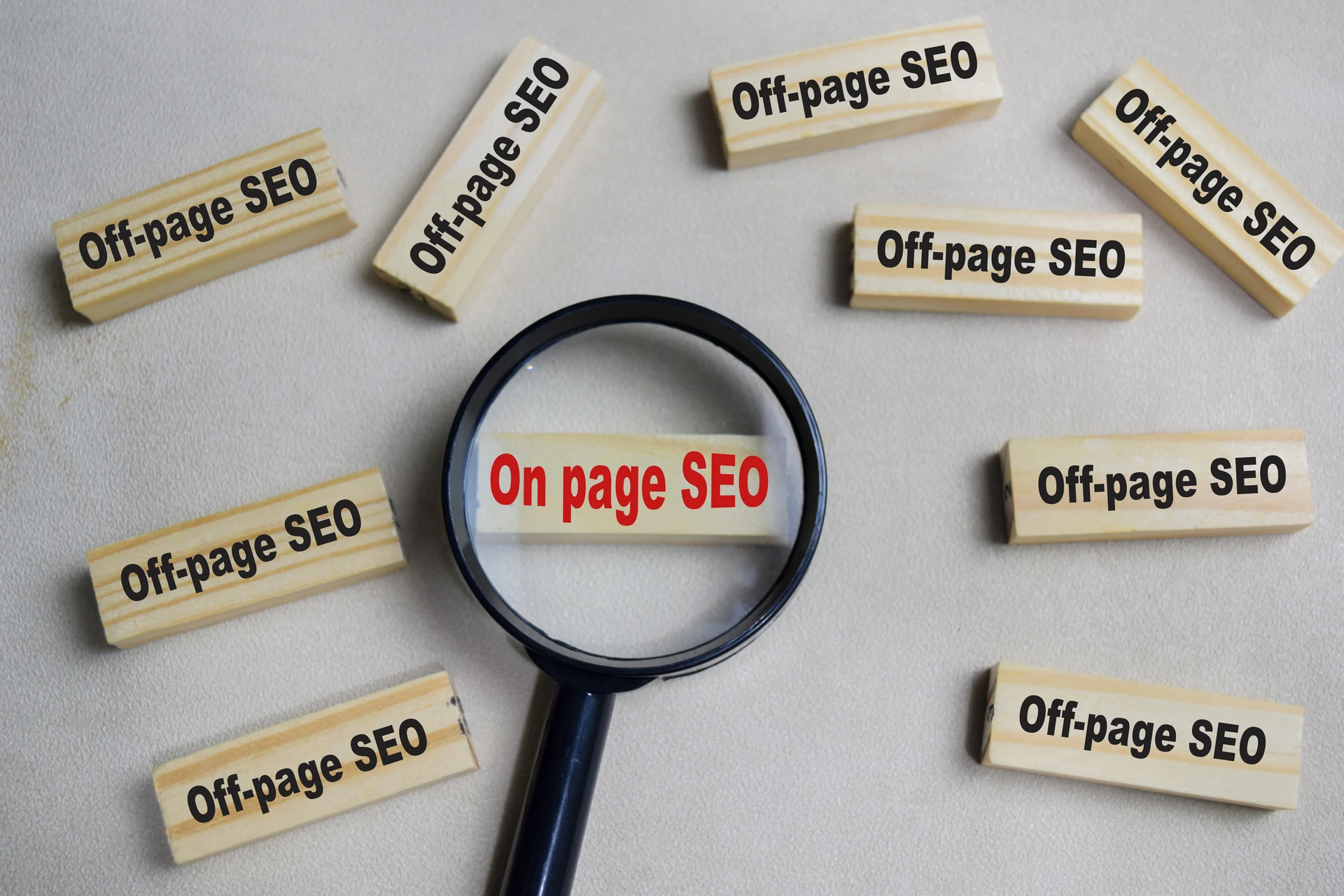
On-page SEO is the practice of optimizing individual web pages to rank higher in search engines while simultaneously enhancing user experience. Unlike off-page SEO, which focuses on external signals like backlinks and social mentions, on-page optimization is entirely within your control. This is why using on-page SEO steps is crucial to making sure everything is on the page and working correctly.

This distinction matters tremendously. In my experience working with dozens of clients at SiteSpring, companies often divert excessive resources into link building and neglect fundamental elements that generate sustainable growth. I once worked with an e-commerce client who spent months pursuing backlinks with minimal results. After we overhauled their on-page elements, their traffic increased by 87% within six weeks.

What many businesses miss is that the on-page SEO steps encompass everything from content quality and HTML source code to site architecture and user experience signals. When properly executed, these elements work together to signal to Google that your page deserves to rank for relevant queries.

On-Page Optimization

Key On-Page SEO Techniques That Drive Rankings

Content is still king when it comes to getting a high ranking on a search engine. The best practices for content include reasonable keyword usage, proper formatting, keeping paragraphs short, and authoritative language. Here’s an in-depth look that you can use to create an on-page SEO checklist to refer back to as you set up your content.

Content Optimization

Why Content Is the Core of On-Page SEO

Search engines like Google no longer rank pages purely by keyword frequency. They rank based on value, relevance, and experience.

That means your content must:

  • Solve the user’s problem clearly and quickly.
  • Provide trustworthy, evidence-backed insights.
  • Be well-structured and technically optimized.

In sum, great SEO starts with great content, and following on-page SEO techniques means your website is ready to shine.

Understanding Search Intent

Every successful piece of content begins with understanding what the user wants.
In 2026, matching search intent is the #1 ranking factor for most keywords.

Intent Type User Goal Example Keyword Informational Learn something “What is schema markup?” Navigational Find a specific site/page “Google Analytics login” Commercial Compare or evaluate options “Best SEO tools 2026” Transactional Buy or take action “Buy SEO course online”

Search intent of keywords
On-Page SEO Checklist

Master Search Intent and User Experience

Search intent remains the #1 ranking factor. AI-powered search systems , like Google’s RankBrain, MUM, and Gemini, evaluate how well your content solves the searcher’s problem. Keep an eye on this aspect as you work on your on-page SEO steps.

Steps for action:

  • Identify intent type (informational, commercial, transactional, or navigational).
  • Craft content that answers the main question upfront.
  • Use clear headings, short paragraphs, and visuals for readability.
  • Enhance engagement with interactive elements (polls, FAQs, videos).
  • If users stay longer, scroll more, and engage, Google takes notice.

Use these steps as part of your on-page SEO checklist for optimal results, and make sure to use SEO tools for on-page analysis after you’re finished.

Content Creation and Optimization: The Heart of On-Page SEO Steps and Practices

Content creation and optimization

I’ve analyzed hundreds of ranking factors over the years, and content consistently emerges as the single most powerful on-page element. This aligns with Neil Patel’s observation of “Create content that teaches. You can’t give up. You need to be consistently awesome.”

At SiteSpring, we experienced this firsthand when working with a health supplement company. Their blog posts were technically correct but lacked depth. We created comprehensive guides that were over 3,000 words and featured original research. After implementing this strategy, their organic traffic jumped 214% in just four months.

Effective on-page optimization begins with thorough keyword research. I typically use a combination of Ahrefs for competitive analysis, Semrush for search volume data, and AI tools like ChatGPT to identify question-based queries. The key is finding the right balance between search volume and competition.

For example, when we worked on on-page optimization for an accounting software client, we discovered that instead of targeting the highly competitive term “small business accounting software” (11,000 monthly searches), we could drive more qualified traffic by focusing on longer phrases like “accounting software for freelance designers” (890 searches) with much lower competition.

Once you’ve identified your target keywords, integrate them naturally:

  • Place your primary keyword within the first 150 words
  • Use related keywords and synonyms throughout the text
  • Include keywords in subheadings where relevant
  • Avoid keyword stuffing that makes content unreadable

However, keyword placement is just the beginning. The content must align with search intent. Cyrus Shepard explains this perfectly: “You can reverse-engineer the process to discover exactly what people are looking for, create the right content for it, and appear before them at exactly the moment they are looking for it.”

I analyze the top-ranking results to determine if users want:

  • Informational content (how-to guides, explanations)
  • Navigational content (finding specific websites)
  • Commercial content (product comparisons)
  • Transactional content (where to purchase)

I ensure our content matches that intent precisely through the use of on-page SEO techniques.

Optimize for Search Intent and User Experience

Search intent now drives ranking more than ever. Google’s AI (like Gemini and RankBrain) evaluates how well your page satisfies the user’s query. On-page optimization is vital to getting your website served to your ideal customer.

Action Steps:

  • Map every page to a clear search intent (informational, navigational, transactional, or commercial).
  • Structure your content to answer questions immediately, then expand with context.
  • Use conversational language and semantic keywords related to the core topic.
  • Keep readability high. Aim for Flesch score above 60 and short paragraphs (2–3 sentences).

Crafting High-Quality, AI-Optimized Content

Research Deeply

  • Use tools like Google’s “People Also Ask,” Ahrefs, and SEMrush to uncover related questions and entities.
  • Analyze the top 10 ranking pages for content gaps.
  • Identify semantic keywords (closely related terms) to enrich your content contextually.

Write for Humans First, Search Engines Second

  • Keep paragraphs short (2–3 sentences).
  • Use conversational tone and active voice.
  • Add headings, bullet points, and visuals for readability.

Include Key On-Page Elements

  • Primary keyword in title, first 100 words, and H1 tag.
  • Secondary/related keywords in subheadings and throughout.
  • Meta title and meta description optimized for CTR.
  • Internal links to related content and external links to authoritative sources.
  • Proper use of SEO tags for optimization.

Optimize for AI Search and Featured Snippets

With AI Overviews and voice search shaping results, concise, structured answers are essential.

Strategies:

  • Include FAQ sections using actual questions
  • Provide short, 40–60-word answers under key headings
  • Use numbered steps or bullet lists for instructions
  • Include data and statistics (and cite sources)

An on-page SEO checklist helps you focus on reaching for these important positions in Google searches.

Title Tags and Meta Descriptions: Your First Impression in Search

Title tags and meta descriptions function as your page’s advertisement in search results. I can’t emphasize enough how much these elements influence click-through rates, which in turn affect rankings.

For a financial advisory client, we tested multiple title tag variations for their retirement planning guide. The winner? “Retirement Planning in 5 Steps: Secure Your Future [2025 Guide]”. Using this title increased click-through rates by 26% compared to their previous generic title.

Master Title Tags & Meta Descriptions

Your title and meta description remain crucial for CTR and rankings. It’s worth noting that these on-page SEO steps shouldn’t be overlooked.

Effective title tags should:

  • Keep under 60 characters to avoid truncation
  • Meta descriptions need to be under 160 characters
  • Include your primary keyword near the beginning
  • Use power words that trigger emotion (discover, essential, proven)
  • Include numbers when applicable (5 Steps, 10 Ways, etc.)
  • Create a sense of urgency or curiosity
  • Use emotional trigger words such as essential, guide, or proven
  • Include your brand name at the end of the title when possible

Meta descriptions don’t directly impact rankings, but they significantly influence click-through rates. I recommend:

  • Keeping descriptions under 150 characters
  • Including a clear call-to-action
  • Addressing the user’s problem and hinting at the solution
  • Incorporating primary and secondary keywords naturally

At SiteSpring, we’ve found that testing different meta description variations through Google Search Console data helps identify which messaging resonates most with your specific audience.

URL and Image Optimization: Often Overlooked Opportunities

I’ve conducted dozens of SEO audits that revealed how frequently businesses overlook URL structure and image optimization. It’s an important part of on-page optimization, yet these elements can provide significant ranking advantages.

URL Optimization

URL Optimization

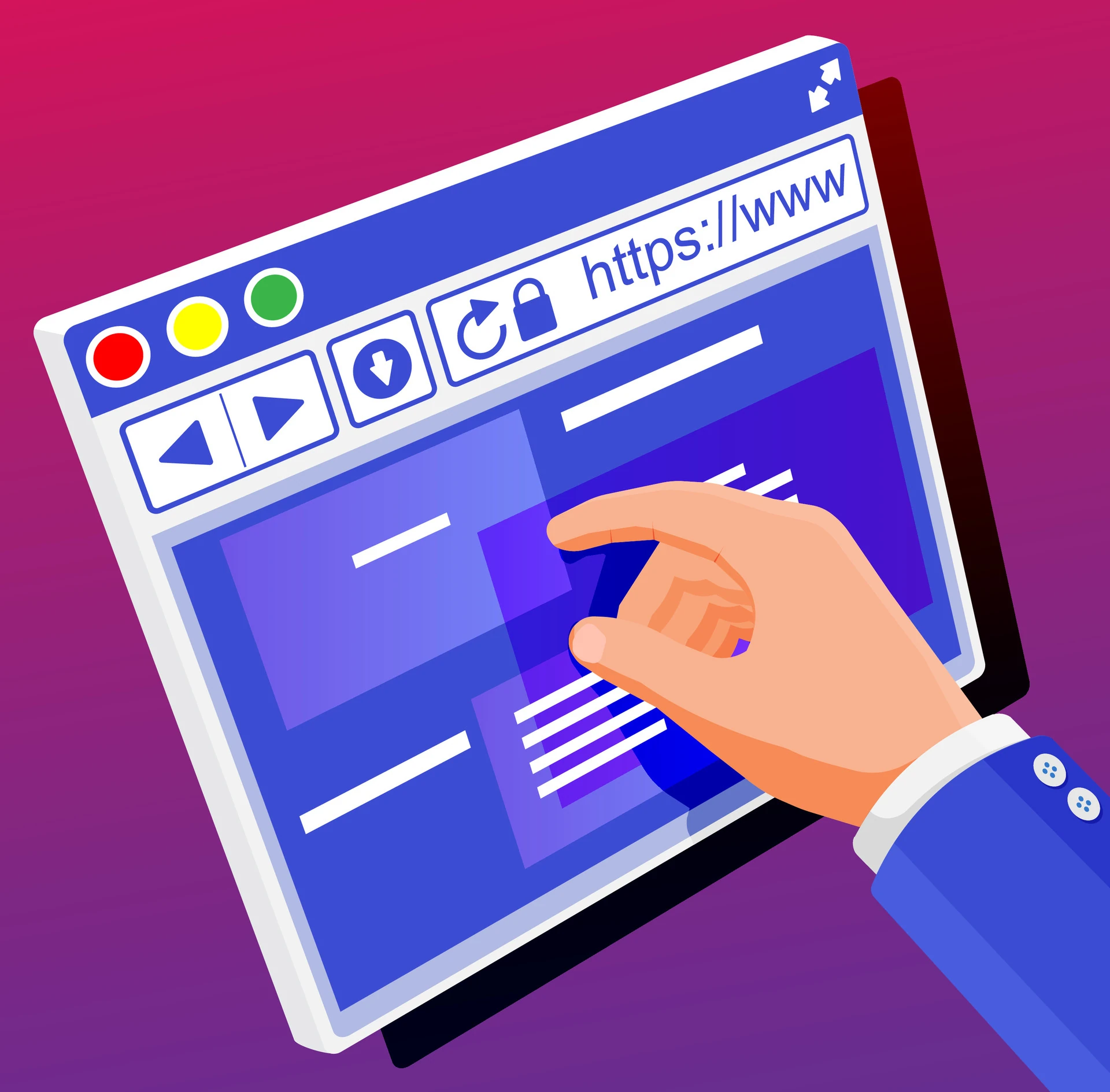
Clean URLs serve both search engines and users. For example, compare these two URLs:

  • https://example.com/blog/p=123?id=456
  • https://example.com/blog/on-page-seo-guide

The second URL clearly communicates the page content to both search engines and users. When we restructured URLs for a real estate client from parameter-based to keyword-focused formats, we saw a 17% increase in organic traffic over two months.

Best practices I follow for my on-page SEO checklist include:

  • Using hyphens to separate words
  • Keeping URLs short and descriptive
  • Including the primary keyword
  • Avoiding unnecessary parameters or categories
  • Implementing proper redirects when changing URLs

If you haven’t included this as one of your on-page SEO steps, make sure to put it in your list.

Image Optimization

Images remain powerful SEO assets that many sites underutilize. For a travel website client, we increased their image search traffic by 43% by implementing these image optimization techniques:

  • Using descriptive, keyword-rich file names (mountain-hiking-colorado.jpg vs. IMG12345.jpg)
  • Creating detailed alt text that describes the image while naturally incorporating keywords
  • Compressing images to improve page speed (we use TinyPNG or ShortPixel)
  • Implementing lazy loading to prioritize above-the-fold content
  • Serving images in next-gen formats like WebP with proper fallbacks

With mobile accounting for 63% of U.S. web traffic, image optimization directly impacts both user experience and search visibility. Make sure that you include quality images as you work through your on-page SEO steps.

Choose the Right Image Format (2026 Standards)

Google now prioritizes next-gen formats that load fast without sacrificing quality.
FormatBest UseNotesAVIFMost imagesSmallest size, the best quality, preferred by GoogleWebPGeneral useWidely supported, still excellentSVGLogos, iconsInfinitely scalable without quality lossJPEG XL (optional)High-quality photographyNot yet universal, but rising

Compress Images Without Losing Quality

Large images destroy your Core Web Vitals, especially:

  • LCP (Largest Contentful Paint)
  • INP (Interaction to Next Paint)
  • CLS (Cumulative Layout Shift)

Recommended Compression Levels

  • Photography: 60–80% quality
  • Graphics/Flat images: 80–90%
  • AVIF: Use medium compression

Tools for Compression

  • TinyPNG/.TinyJPG
  • Squoosh
  • ShortPixel
  • Imagify

Use Header Tags Strategically (H1–H3)

Headers help both search engines and readers understand your content structure.

Here are the best practices for 2026:

  • Use only one H1 title tag per page (include your primary keyword).
  • Structure content with H2s for main points and H3s for supporting details.
  • Include secondary or LSI keywords naturally in subheadings.

Header sizes should look like a cascade when properly used. Use H1 for your title, then H2 for the main points of your content. Use H3 for subtopics, and H4 for questions and further subtopics under H3.

Advanced On-Page SEO Strategies for 2026

Advanced On-Page Techniques

Internal and External Linking: Building a Strategic Web

Through my work at SiteSpring, I’ve found that a strategic linking framework can dramatically boost rankings. One e-commerce client struggled to rank for competitive terms until we implemented a topic cluster model with internal linking.

Internal links serve multiple purposes:

  • Distribute page authority throughout your site
  • Establish information hierarchy
  • Improve user navigation and engagement
  • Help search engines discover and understand your content

I witnessed this firsthand when working with RedoHair, a beauty e-commerce site. By building over 1,200 category and blog pages with carefully structured internal linking based on topic silos, they achieved featured snippets for 35+ keywords and saw a 5x increase in revenue from organic visitors.

Why Internal Linking Matters for SEO

Google’s crawlers follow links to understand site structure and relationships between pages.
A smart internal linking strategy helps your most important pages get discovered and rank higher.

SEO Benefits:

  • Improves crawlability: Ensures no important page is orphaned.
  • Passes link equity: Authority flows from strong pages (like your homepage) to others.
  • Reinforces topical relevance: Helps Google connect related pages and themes.

For maximum benefit, I follow these internal linking principles:

  • Link from high-authority pages to important conversion pages
  • Use descriptive, keyword-rich anchor text (varying it to avoid over-optimization)
  • Create contextual links within content rather than generic “related posts” sections
  • Maintain a flat site architecture where important pages are no more than 3-4 clicks from the homepage

External links also play a crucial role in establishing credibility. When creating content for a financial services client, we found that pages citing authoritative sources like the Federal Reserve or respected financial journals received 22% more organic traffic than those without external references.

If you’re looking for expert assistance to strengthen your website’s internal and external linking strategies, partnering with professionals offering SEO services Sarasota can provide tailored optimization that boosts your search rankings effectively.

Schema Markup: Speaking Google's Language

Schema markup might seem technical, but I’ve seen it transform organic performance for numerous SiteSpring clients. This structured data helps search engines understand your content contextually, making pages eligible for rich results.

For instance, a regional restaurant chain I worked with implemented review and FAQ schema, resulting in a 31% increase in click-through rates due to enhanced search listings featuring star ratings and expandable FAQs.

The most effective schema types I’ve implemented include:

  • FAQPage schema for common questions
  • HowTo schema for instructional content
  • Product schema for e-commerce pages
  • Review schema for testimonials and product reviews
  • LocalBusiness schema for location-based businesses
  • Article schema for blog posts and news

These implementations have consistently helped our clients win featured snippets and rich results. For example, Iowa Girl Eats leveraged recipe and review schema to land in Google’s recipe carousel and boost monthly visits to 1.5 million.

Why Schema Markup Matters in SEO (2026)

  • Increases Visibility: Enables rich snippets (stars, FAQs, images, etc.).
  • Boosts CTR: Eye-catching results get more clicks.
  • Improves Context: Helps Google associate your content with the right entities and search intent.
  • Supports AI Overviews & Voice Search: Schema helps Google’s AI summarize and cite your content accurately.

Here’s a look at the different types of schema and how they’re used:

Schema TypeUsed ForArticle / Blog PostingNews or blog contentProducteCommerce productsReview / Aggregate RatingRatings and reviewsFAQQuestion-and-answer sectionsHow ToStep-by-step tutorialsLocal BusinessBrick-and-mortar businessesEventConcerts, webinars, or conferencesRecipeFood or drink instructionsPerson / OrganizationAuthors, companies, or teams

The technical implementation might seem daunting, but tools like Schema App or Google’s Structured Data Markup Helper can simplify the process.

Page Speed Optimization: The Technical Foundation

Page Speed Optimization

My experience optimizing dozens of websites has consistently shown that page speed dramatically impacts both rankings and user behavior. At SiteSpring, we recently helped a client in the healthcare sector reduce their page load time from 4.2 seconds to 1.8 seconds, resulting in a 27% decrease in bounce rate and a 19% increase in pages per session.

This improvement came from implementing several critical speed optimizations:

  • Compressing and properly formatting images
  • Minifying CSS, JavaScript, and HTML
  • Implementing browser caching
  • Reducing server response time
  • Eliminating render-blocking resources
  • Using a content delivery network (CDN)

The impact of these changes becomes even more significant considering Google’s Core Web Vitals, which specifically measure loading performance, interactivity, and visual stability.

One manufacturing client I worked with was struggling with mobile rankings until we addressed their Core Web Vitals. After implementing lazy loading for images and removing unnecessary JavaScript, their Largest Contentful Paint (LCP) improved from 4.6s to 2.3s, contributing to a 14-position average ranking improvement for their target keywords.

Here are the benchmarks you should be hitting with your page loading speeds:

Core Web VitalGoalLargest Contentful Paint (LCP)< 2.5 secondsInteraction to Next Paint (INP)< 200 msCumulative Layout Shift (CLS)< 0.1

Also ensure:

  • 100% mobile responsiveness
  • HTTPS security
  • Clean sitemap.xml and robots.txt
  • Image compression (WebP or AVIF)
  • Fast, user-friendly websites rank better and convert more visitors.

SiteSpring Case Study: From Page 2 to Featured Snippets

Let me share a specific example that demonstrates the power of comprehensive on-page SEO. We worked with a mid-sized law firm specializing in estate planning who was struggling to gain visibility for their primary service pages.

The Challenge

When they came to us, their main service pages were languishing on page two of search results despite having quality backlinks from legal directories and local business associations. Their content was professionally written but lacked strategic on-page optimization.

Our Approach

We implemented a complete on-page SEO overhaul:

  • Content Restructuring: We transformed their generic 600-word service pages into comprehensive 2,500+ word guides addressing specific questions their potential clients were asking.
  • Schema Implementation: We added FAQ and HowTo schema markup to their most important pages, structuring information about their services in a way Google could easily understand and feature.
  • Internal Linking Framework: We created a hub-and-spoke model where the main practice area page linked to specialized subtopic pages, which then linked back to the main service page with optimized anchor text.
  • Media Optimization: We replaced stock images with custom graphics explaining legal concepts, each with descriptive alt text and proper compression.
  • Page Speed Improvements: We reduced server response time, implemented lazy loading, and optimized the code structure to improve Core Web Vitals scores.

We began with on-page SEO steps and a checklist, then followed the instructions we created for a full on-page optimization.

The Results

Within three months, the firm saw remarkable improvements:

  • Their primary service page moved from position #14 to position #3
  • They captured 4 featured snippets for high-value terms like “estate planning for small business owners”
  • Organic traffic to service pages increased by 158%
  • The average time on page improved by 2:13 minutes
  • Consultation requests from organic search visitors increased by 41%

What made this transformation possible wasn’t any single change but the comprehensive implementation of multiple on-page SEO techniques working together.

Snippet Optimization Tips:

  • Use question-based subheadings (“What is…?”, “How to…?”).
  • Give short, direct answers (40–60 words).
  • Use numbered steps, lists, and tables.
  • Add structured data (schema markup) for clarity.
  • The easier it is for AI to extract your answer, the higher your visibility in search.

Getting to Position Zero for Featured Snippets

In 2026, the top spot on Google isn’t Position #1 anymore. Now you want to get to Position Zero. Featured snippets are the short, direct answers Google displays above organic results.

With the rise of AI Overviews (formerly SGE) and voice search, mastering Featured Snippets SEO is one of the most powerful ways to increase visibility, traffic, and authority, even when users don’t click through.

What Are Featured Snippets?

Featured snippets are highlighted search results that appear at the very top of Google’s SERPs, pulling a short answer from a webpage and displaying it directly.

They aim to give users instant answers, and they’re a key input for AI Overviews, voice assistants, and zero-click searches.The table below shows how they work.

Snippet TypeDescriptionExample QueryParagraph SnippetShort text answer (40–60 words)“What is schema markup?”List SnippetOrdered or bulleted steps“Steps for SEO image optimization”Table SnippetData comparison or metrics“Best SEO tools 2026”Video SnippetClip pulled from YouTube“How to optimize images for SEO”

How Google Chooses Featured Snippets

In 2026, snippet selection relies heavily on:

  • Relevance and clarity of the answer
  • Structured formatting (lists, headings, tables)
  • Strong E-E-A-T signals (Experience, Expertise, Authoritativeness, Trustworthiness)
  • Page engagement metrics
  • Schema markup and semantic structure

Google’s AI models, like MUM and Gemini, evaluate whether your page delivers the most concise and authoritative answer.

Why Featured Snippets Matter in 2026

Google’s AI search evolution means more users see answers without clicking. But that’s not bad news, especially if you own the snippet.

The benefits of Position Zero snippets:

  • Position Zero visibility: Appear above all organic listings
  • Voice search dominance: Your snippet is what virtual assistants read aloud
  • AI Overview integration: Snippet-worthy content feeds Google’s AI answers
  • Brand authority: Being featured signals trust and expertise
  • Higher CTR (in some queries): Especially for complex or visual results

Update and Reclaim Snippets Regularly

Google frequently replaces featured snippets as new content emerges.
To stay on top:

  • Audit snippet URLs every 3–6 months
  • Update outdated stats and examples
  • Improve formatting and relevance
  • Add multimedia (charts, short videos)
  • Re-publish with fresh date metadata

A content refresh can reclaim lost snippets within weeks.

Monitoring and Adapting Your On-Page SEO Strategy

SEO isn’t a set-it-and-forget-it endeavor. At SiteSpring, we learned this lesson the hard way when a client’s rankings dropped dramatically after a Google algorithm update. We hadn’t been monitoring their performance closely enough to make timely adjustments

Now, I recommend these monitoring practices:

  • Regular Technical Audits: Use tools like Screaming Frog or Semrush to identify technical issues before they impact rankings. For Home Gallery Stores, comprehensive index management and auditing restored organic traffic by 230% after a problematic redesign. (Learn more about professional website maintenance services to keep your site healthy.)
  • Performance Tracking: Monitor key metrics including:
  • Organic traffic by page
  • Keyword rankings
  • Click-through rates
  • Bounce rates
  • Conversion rates
  • Core Web Vitals
  • Content Freshness: Update high-performing pages regularly with new information, examples, and statistics. For one financial client, we found that pages updated quarterly received 38% more traffic than those left untouched for a year.
  • Competitive Analysis: Regularly analyze what competitors are doing successfully. When a client in the fitness industry was outranked by a newer competitor, we discovered they were using video content with transcripts to boost engagement and time on site—a tactic we quickly adapted.

Frequently Asked Questions About On-Page SEO

On-page SEO involves optimizing individual web pages to rank higher and earn more relevant traffic in search engines. It includes enhancing content quality, HTML source code, meta tags, site architecture, URLs, images, and user experience signals directly on the webpage itself.

On-page SEO encompasses everything within your website’s control. That includes content, tags, URLs, and technical elements. Off-page SEO focuses on external signals such as backlinks, social engagement, and brand mentions. While both are crucial, on-page SEO builds the foundation that makes off-page efforts effective.

Keyword research reveals exactly what language your audience uses when searching for information or solutions. By incorporating these terms strategically in your content, you match user intent and help search engines understand what your page is about. This alignment between content and search queries is fundamental to achieving higher rankings.

The Path Forward: Balancing Technical Excellence and User Value

My years optimizing websites have taught me that successful on-page SEO requires both technical precision and genuine user value. The days of manipulating search engines with keyword stuffing or hidden text are long gone. Today’s algorithms are sophisticated enough to recognize and reward content that truly serves the searcher.

I’ve seen this evolution firsthand at SiteSpring. When we first started, we could rank pages with basic optimization tricks. Now, our most successful clients are those who invest in comprehensive, helpful content supported by a solid technical foundation.

As Neil Patel wisely notes: “The key to success with SEO is to have a clear goal and a well-defined strategy.” Your strategy should combine these essential on-page steps with a commitment to creating genuine value for your audience.

The businesses that thrive in search will be those that view SEO not as a set of tricks but as an extension of their commitment to serving their customers online. By implementing these proven on-page SEO steps consistently while maintaining focus on your users’ needs, you’ll build a foundation for sustainable organic growth in 2026 and beyond. When you learn SEO strategies, you learn how to win the search engine race to the first spot on the first page.

Conclusion

Winning top search engine rankings in 2026 is about synergy between humans, algorithms, and experience.

When you:

  • Understand search intent
  • Deliver expert, AI-optimized content
  • Maintain flawless technical performance
  • Build authority and trust
  • Follow good practices for on-page SEO steps and processes

You don’t just rank higher, you build a brand Google trusts and users return to.
In 2026 and beyond, that’s what winning SEO really means.

Contact Us

Matthew Pattison

About the author:

FOUNDER OF SITESPRING • DIGITAL MARKETING & WEB DESIGN

Matthew is a Sarasota, Florida–based digital marketing strategist and web design expert with more than 20 years of experience helping medium and large businesses grow online. Over the past two decades, he has worked across every corner of the web industry — from hands-on design and development to sales, SEO strategy, and full-scale marketing campaigns.
Armed with a bachelor’s degree in marketing and formal training in search engine optimization (including early mentorship under industry leaders such as Bruce Clay and Google SEO programs), Matthew blends deep technical know-how with real-world business insight. He’s guided companies through everything from local brand launches to multi-location expansions and new division development — always with a focus on measurable results and long-term growth.
Outside the office, Matthew enjoys firing up his backyard pizza oven and crafting authentic Neapolitan pizzas — proof that he brings the same creativity and precision to his kitchen as he does to his marketing work.

Follow the expert:
Share