Mastering On-Page and Off-Page SEO for Success in 2026

Ready to let my team run your marketing? Click here

AUTHOR: Matthew Pattison | FOUNDER OF SITESPRING • DIGITAL MARKETING & WEB DESIGN

I’ve been in the SEO trenches for years, and I can tell you without hesitation that understanding the balance between SEO off-page and on-page isn’t just important for your business. It’s absolutely critical for anyone who wants to succeed online. Too many businesses I’ve consulted with focus exclusively on one aspect while neglecting the other, creating a lopsided strategy that simply doesn’t deliver results.

When I first started optimizing websites, I made the classic mistake of obsessing over on-page elements while barely giving off-page factors a second thought. The result? Beautifully optimized websites that nobody could find. It was a humbling lesson that shapes how I approach SEO to this day.

The Foundation of SEO Success

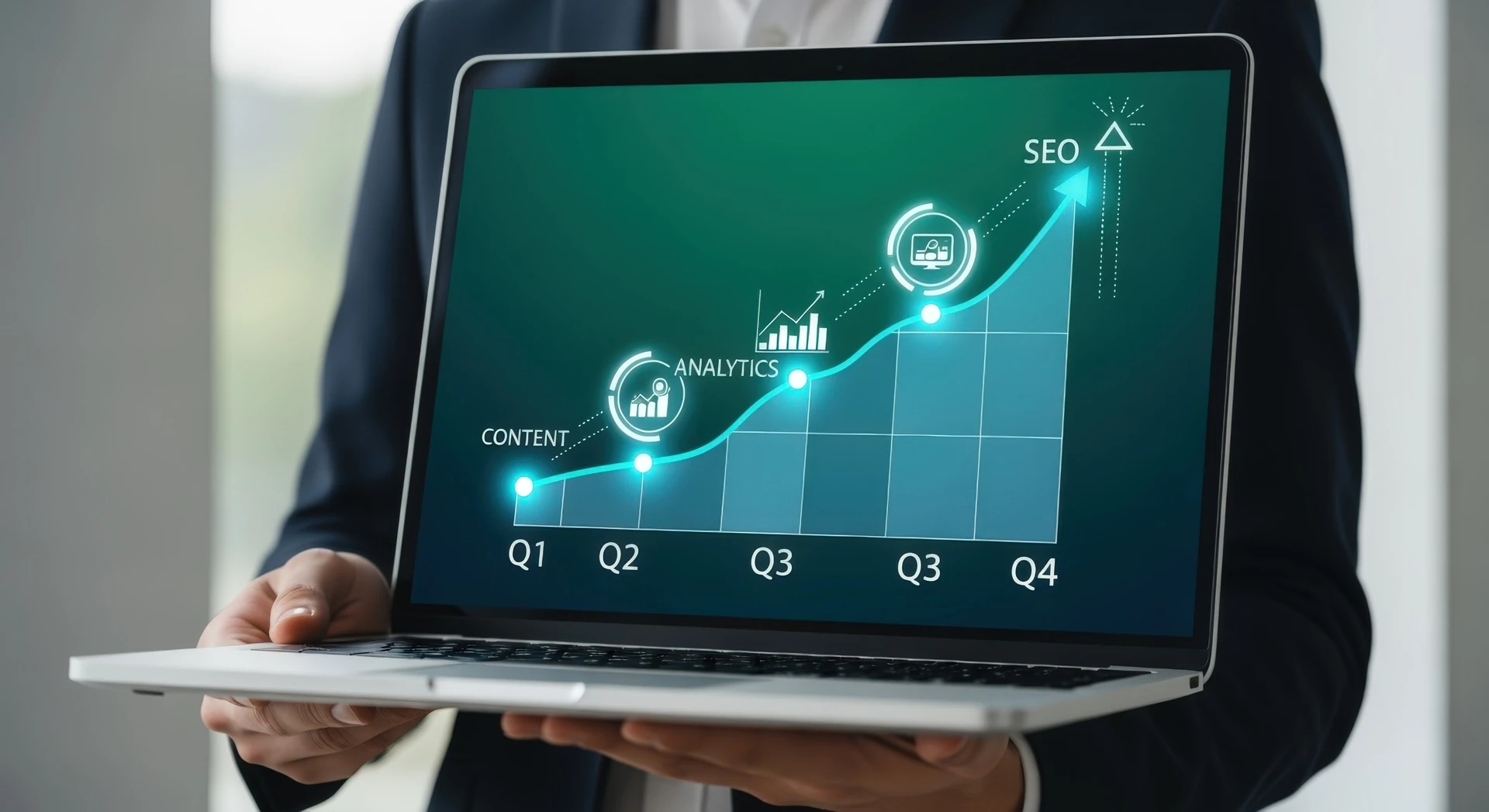
SEO Off Page and On Page

SEO strategies divide into two fundamental categories: SEO off-page and on-page. On-page SEO involves everything within your website’s boundaries that you can directly control and optimize. Off-page SEO extends beyond your site, building your brand’s authority through external signals.

Both approaches are non-negotiable for real success. The data supports this: the average first-page Google result contains around 1,890 words, highlighting the need for comprehensive, high-quality content on your site (Outerbox Design). Meanwhile, 46% of Google searches have local intent, demonstrating how off-page factors like local citations and reviews drive valuable traffic and conversions (AIOSEO).

I’ve personally seen the dramatic difference when clients implement both strategies simultaneously rather than focusing exclusively on one approach. A restaurant client of mine increased their organic traffic by 67% after we balanced their previously content-heavy strategy with a focused local citation and review management campaign.

On-Page SEO: The Foundation You Control

On-page SEO represents your first and most direct opportunity to influence your search rankings. It encompasses everything from your content quality to technical implementation.

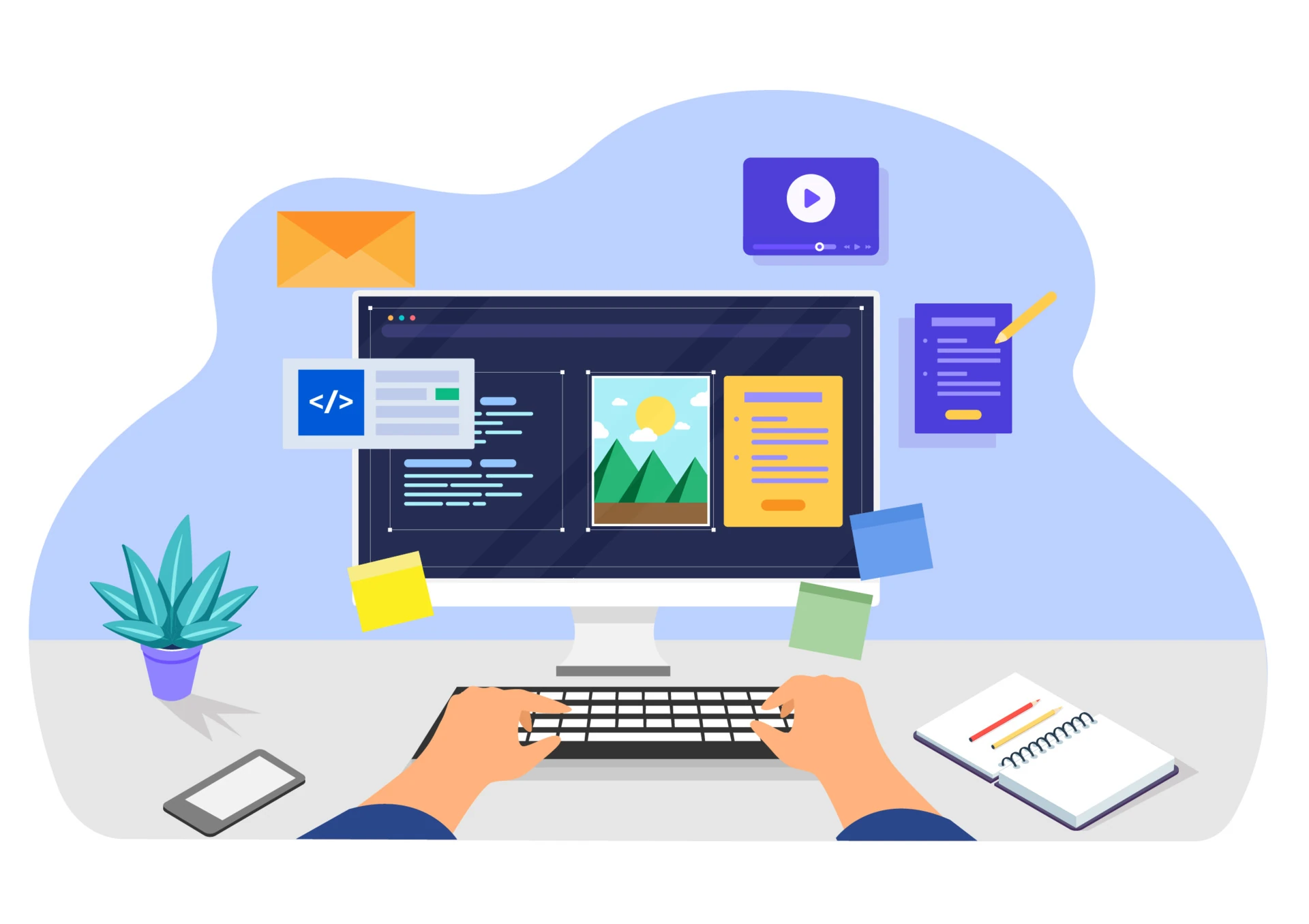
SEO Strategies for content optimization

Content That Commands Attention

I can’t stress enough how critical exceptional content is for on-page SEO. As Barry Schwartz wisely noted, “If you’re going to build a website, make sure to have a website that Google would be embarrassed not to rank for its main keywords.” (Bloggers Passion)

This resonates deeply with me. I once worked with a Florida-based insurance company whose blog posts were thin, generic, and provided little value. After we developed a content strategy focused on addressing specific questions their target audience was asking, their organic traffic increased by 118% in just four months.

Quality content isn’t about stuffing in as many keywords as possible. It’s really about delivering genuine value and addressing search intent thoroughly. I find that the best content comes from genuine expertise and passion for the subject matter.

Title Tags: Your Digital First Impression

Title tags function as your website’s handshake with both users and search engines. When I audit websites, I frequently find title tags that either don’t include target keywords or are simply uninspiring.

For one e-commerce client, we revised their product page titles from generic descriptions to benefit-focused titles with primary keywords positioned at the beginning. This single change improved their click-through rates by 26% and contributed to higher rankings for their target terms.

Title tag for better search performance
Meta description for better seo

Meta Descriptions: Your SERP Sales Pitch

While meta descriptions don’t directly influence rankings, they significantly impact click-through rates. I’ve found that meta descriptions with clear value propositions and a call-to-action consistently outperform vague summaries.

I always advise clients to think of meta descriptions as mini-advertisements. What would make someone click your link instead of the nine other options on page one? This perspective shift typically leads to more compelling descriptions that drive traffic.

Heading Structure: Guiding the Reader Journey

Proper heading hierarchy (H1, H2, H3) doesn’t just help search engines understand your content. This formatting dramatically improves user experience by creating scannable content that respects how people actually read online.

I’ve noticed that pages with clear, keyword-optimized heading structures tend to have lower bounce rates and higher time-on-page metrics. This signals to Google that users are finding what they’re looking for, which often correlates with ranking improvements.

Heading structure in SEO
Image Optimization

Image Optimization: The Overlooked Opportunity

In my experience, image optimization is among the most neglected aspects of on-page SEO. Search engines can’t “see” images but rely on file names and alt text to understand them.

For a real estate client, we renamed image files from generic “IMG_12345.jpg” to descriptive “luxury-waterfront-home-sarasota-fl.jpg” and added detailed alt text. Within weeks, they started receiving organic traffic from Google Images. This was an entirely new traffic source they hadn’t tapped before.

Internal Linking: Weaving Your Website Together

Strategic internal linking distributes page authority throughout your site and enhances user navigation. I’ve found it particularly valuable for driving traffic to conversion-focused pages that might otherwise struggle to rank.

One nonprofit client had an excellent donation page that wasn’t getting traffic. By adding contextual internal links from their high-authority blog posts to this page, we increased donation page traffic by 43% without any additional content creation or off-page efforts.

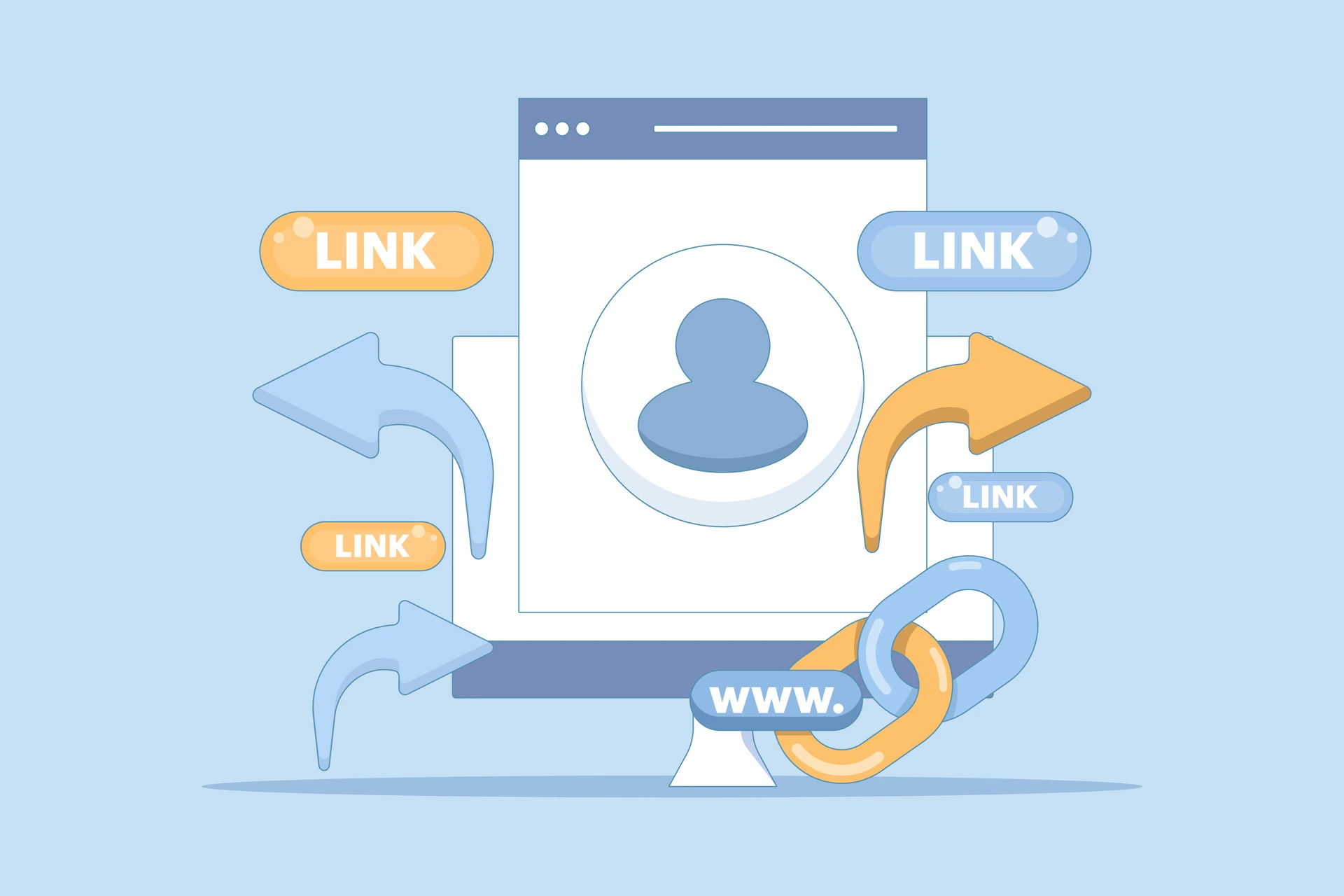
Internal Linking Strategy
User experience design

User Experience: The Human Side of SEO

Google explicitly emphasizes page experience factors, including Core Web Vitals, as ranking signals. Adam Krzywda highlights this: “Page speed is becoming increasingly important… especially on the mobile web.” (SEOptimer)

I’ve seen firsthand how improving site speed can dramatically impact rankings. A local service business I worked with reduced their page load time from 5.2 seconds to 1.8 seconds by optimizing images and implementing browser caching. Their mobile rankings increased across the board within a month.

With 59% of internet traffic coming from mobile devices, yet only 43.4% of websites passing Google’s mobile optimization standards (SEO Sherpa), there’s a massive opportunity to gain competitive advantage by prioritizing mobile performance. Achieving this often involves expert help, which is why many businesses turn to trusted seo services sarasota for comprehensive strategies.

Off-Page SEO: Building Authority Beyond Your Website

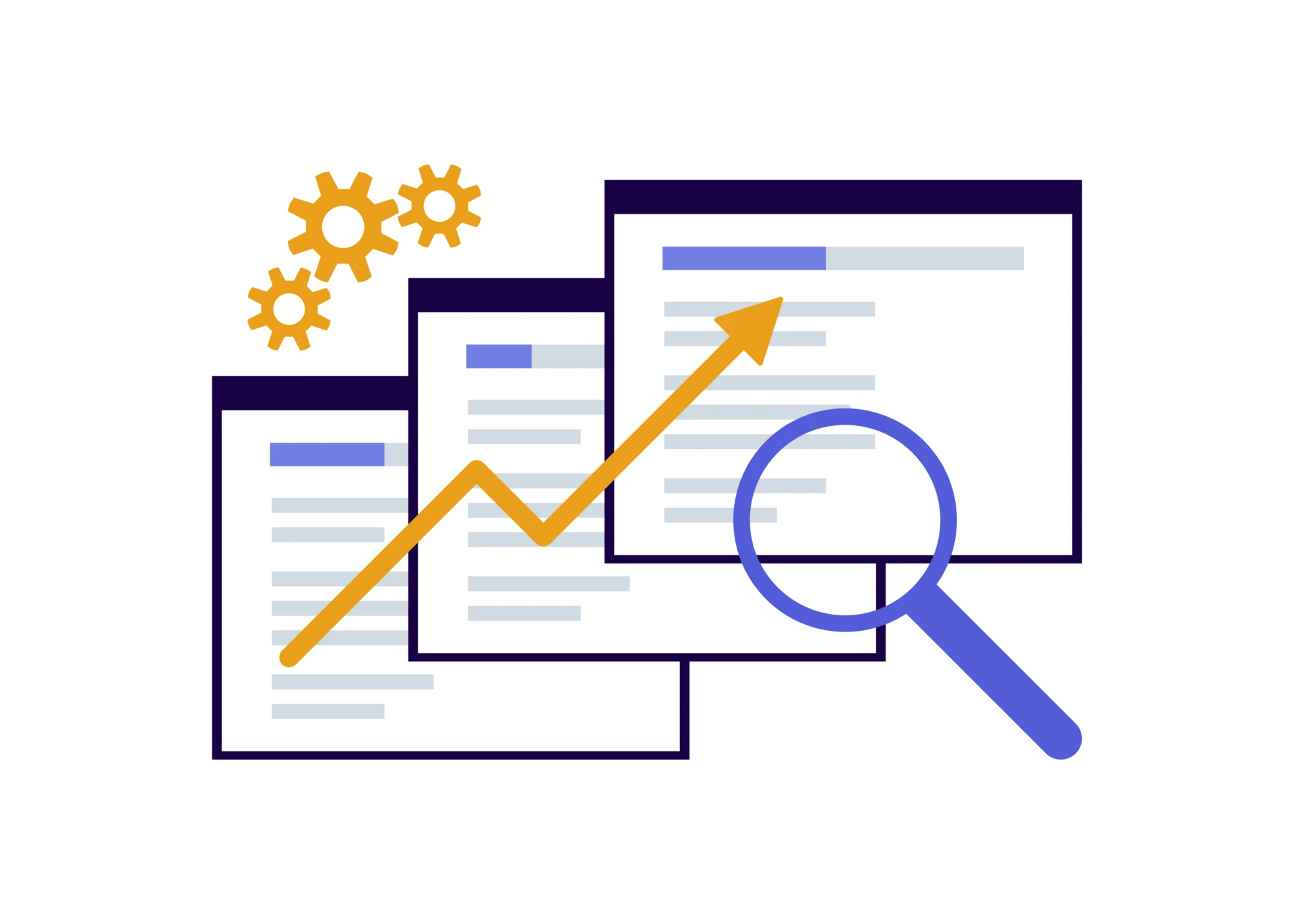
Off Page SEO

Off-page SEO focuses on promoting your website externally to establish trustworthiness and authority. This typically involves acquiring backlinks, managing your online reputation, and optimizing your presence across the wider digital ecosystem.

The Power of Quality Backlinks

Backlinks remain one of the strongest ranking factors despite algorithm evolution. I think of them as digital endorsements. In other words, each quality link is essentially another website vouching for your content’s value.

The key word here is quality. I’ve seen businesses with fewer but more relevant backlinks outrank competitors with larger but lower-quality link profiles. One small business client with just 25 high-authority, relevant backlinks outranked a national competitor with hundreds of low-quality directory links.

Social Signals: Indirect But Important

While social media signals don’t directly influence rankings, according to Google’s statements, they play a crucial role in brand awareness and content distribution. I’ve consistently observed that content that performs well on social media tends to earn more backlinks over time, creating an indirect SEO benefit.

For example, when a healthcare client’s educational video went viral on Facebook, we saw a surge in natural backlinks from health blogs and news sites within weeks. These were links we couldn’t have acquired through outreach alone.

Local SEO: Critical for Brick-and-Mortar Businesses

For local businesses, optimizing your Google Business Profile isn’t optional, it’s essential. With nearly half of all searches carrying local intent and mobile local searches converting at an 18% rate within 24 hours (AIOSEO), the impact on business results can be immediate.

I worked with a dental practice that was struggling to attract new patients despite excellent service. After optimizing their Google Business Profile with service keywords, adding geo-tagged photos, and implementing a review generation strategy, their profile views increased by 114% and they reported a 32% increase in new patient appointments within three months.

Building Reputation and Authority

Google’s algorithms have become increasingly sophisticated at evaluating a brand’s overall reputation. Online reviews, brand mentions, and overall digital presence all contribute to how search engines perceive your authority.

One interesting case I encountered involved a client who had excellent on-page SEO but struggled with rankings. Investigation revealed numerous negative reviews across multiple platforms. After implementing a reputation management strategy that addressed customer concerns and generated fresh positive reviews, their rankings improved substantially—despite making no changes to their website.

Jes Scholz captures this reality perfectly: “Impactful SEO is rarely executed by a lone wolf.” (Red2Digital) Building relationships, partnerships, and community engagement is fundamental to off-page SEO success.

Finding the Perfect Balance

The secret to SEO success lies in balancing on-page and off-page efforts. I typically recommend perfecting your on-page SEO first. That means ensuring your website delivers value, loads efficiently, and provides a seamless user experience. After all, even the best backlinks won’t save a poorly optimized site.

Off-page SEO is inherently more challenging because it requires external endorsement. However, neglecting it means your beautifully optimized website may never reach its audience.

I’ve seen this balance work wonders for clients. The online furniture retailer Home Gallery Stores increased organic traffic by 230% through comprehensive technical and on-page SEO improvements, which indirectly benefited their off-page SEO by enhancing crawl efficiency and usability (Bruce Clay).

In my own practice, I worked with a local law firm that had invested heavily in content creation but saw minimal results. After conducting a backlink audit and implementing a targeted outreach campaign to legal directories and local news sites, their organic traffic increased by 87% within five months. This increase happened despite making minimal changes to their on-page content.

Practical Implementation Tips

Based on my experience working with businesses across different industries, here’s how I recommend approaching your SEO strategy:

  • Start with an audit of both on-page and off-page factors to identify the most significant gaps and opportunities.
  • Prioritize high-impact, quick-win improvements first, such as fixing technical issues that might be hindering crawling or indexing.
  • Develop a content strategy that addresses search intent while showcasing your unique expertise and perspective.
  • Implement a consistent link-building process focused on quality over quantity, targeting sites relevant to your industry.
  • Monitor your reputation across review sites and social media, responding promptly to feedback and leveraging positive experiences.
  • Regularly analyze performance data to identify which strategies are driving results and which need adjustment.

I’ve found this methodical approach helps businesses of all sizes make meaningful progress rather than getting overwhelmed by trying to do everything at once. If you’re considering how your website design impacts these efforts, exploring SEO Friendly Web Design Strategies for 2026 Success can provide valuable insights into boosting both user experience and SEO.

Common SEO Challenges and Solutions

Challenge: Content That Ranks But Doesn't Convert

I’ve worked with numerous clients who achieved high rankings but saw minimal conversion results. The issue usually stems from creating content for search engines rather than users.

Solution:

Focus on search intent first, ensuring your content answers the questions your target audience is asking. Then, incorporate strategic calls-to-action that guide users toward conversion points. For one e-commerce client, restructuring their informational articles to include contextual product recommendations increased their conversion rate by 24%.

Challenge: Difficulty Acquiring Quality Backlinks

Many businesses struggle to earn backlinks, especially in less exciting industries.

Solution:

Create linkable assets that provide genuine value to your industry. This might include original research, comprehensive guides, or interactive tools. For a B2B software client in a “boring” niche, we created an industry benchmark report that earned 78 backlinks from relevant sites within six months. This was more than all their previous content combined.

Challenge: Balancing Technical SEO Requirements

The technical side of SEO can be overwhelming, especially for small businesses without dedicated IT resources.

Solution:

Focus on the technical elements that most directly impact user experience: site speed, mobile responsiveness, and secure connections (HTTPS). These foundations will deliver the most significant benefits while being relatively straightforward to implement. For businesses looking to improve responsiveness across devices, investing in Mobile and Tablet Responsive Web Design can be a game-changer.

Implementing Your Balanced SEO Strategy

Navigating both on-page and off-page SEO might seem daunting initially, but understanding their distinct roles and interplay is essential for sustainable growth. By focusing on detailed, high-quality content and optimizing technical aspects, you give search engines compelling reasons to rank your site. Simultaneously, building external signals through backlinks, reputation management, and local optimization elevates your authority and trustworthiness.

As Brian Dean aptly puts it, “SEO isn’t about content creation. It’s about content promotion.” (Red2Digital) While creating exceptional content forms the foundation, amplifying your presence off-site unlocks the true power of SEO.

This balanced approach has driven measurable results for my clients: increased traffic, higher rankings, and ultimately, business growth. Whether you’re just beginning your SEO journey or refining an existing strategy, embracing both sides ensures your website doesn’t merely exist. Instead, it thrives.

Remember that SEO is a marathon, not a sprint. Consistency in both on-page quality and off-page promotion forms the blueprint for long-term success. I recommend starting with a comprehensive audit to identify your biggest opportunities, then developing a strategic plan that addresses both aspects methodically.

For those looking to deepen their SEO discipline, stay current with Google’s evolving guidelines and leverage tools like Google Search Console, Core Web Vitals reports, and backlink analyzers to keep your efforts focused and effective.

FAQ About On-Page and Off-Page SEO

On-page SEO involves optimizing elements on your website that you directly control, including content quality, keyword usage, meta tags, headings, internal links, and site performance.

Off-page SEO encompasses external strategies that build your site’s reputation and authority, such as earning backlinks, managing your online reputation through reviews, establishing a social media presence, and creating brand recognition across the web.

In my experience, the most successful SEO strategies treat these as complementary forces rather than separate initiatives.

Backlinks function as third-party endorsements of your content’s value and relevance. Search engines view high-quality backlinks as signals of trust and authority.

I’ve consistently observed that pages with strong, relevant backlink profiles tend to rank higher than similar content without such links. However, quality absolutely trumps quantity. Oftentimes, a single link from a trusted industry publication often delivers more ranking power than dozens of low-quality directory links.

Core Web Vitals are Google’s standardized metrics that assess three key aspects of user experience:

  • Largest Contentful Paint (LCP): Measures loading performance
  • First Input Delay (FID): Measures interactivity
  • Cumulative Layout Shift (CLS): Measures visual stability

Google has explicitly confirmed these metrics as ranking factors. In my work optimizing websites, I’ve seen significant ranking improvements when fixing poor Core Web Vitals scores, particularly for mobile search results.

Contact Us

Matthew Pattison

About the author:

FOUNDER OF SITESPRING • DIGITAL MARKETING & WEB DESIGN

Matthew is a Sarasota, Florida–based digital marketing strategist and web design expert with more than 20 years of experience helping medium and large businesses grow online. Over the past two decades, he has worked across every corner of the web industry — from hands-on design and development to sales, SEO strategy, and full-scale marketing campaigns.
Armed with a bachelor’s degree in marketing and formal training in search engine optimization (including early mentorship under industry leaders such as Bruce Clay and Google SEO programs), Matthew blends deep technical know-how with real-world business insight. He’s guided companies through everything from local brand launches to multi-location expansions and new division development — always with a focus on measurable results and long-term growth.
Outside the office, Matthew enjoys firing up his backyard pizza oven and crafting authentic Neapolitan pizzas — proof that he brings the same creativity and precision to his kitchen as he does to his marketing work.

Follow the expert:
Share